About Roadmap

Roadmap to Health Equity

How We Started

In 2017, Americares, the National Association of Free and Charitable Clinics (NAFC), Loyola University Chicago, and a consortium of stakeholders including state free and charitable clinic associations, and individual free and charitable clinics from across the country, launched Quality of Care in Free and Charitable Clinics: Roadmap to Health Equity (Roadmap).

Who Will Benefit?

Free & Charitable Clinics
Roadmap supports clinics as they use data to break down barriers to equitable care and leverage their internal systems and workflows to support the delivery of quality care.

Associations

Free and charitable clinic associations are critical partners in Roadmap – helping align state and national priorities to the Roadmap work.

Researchers
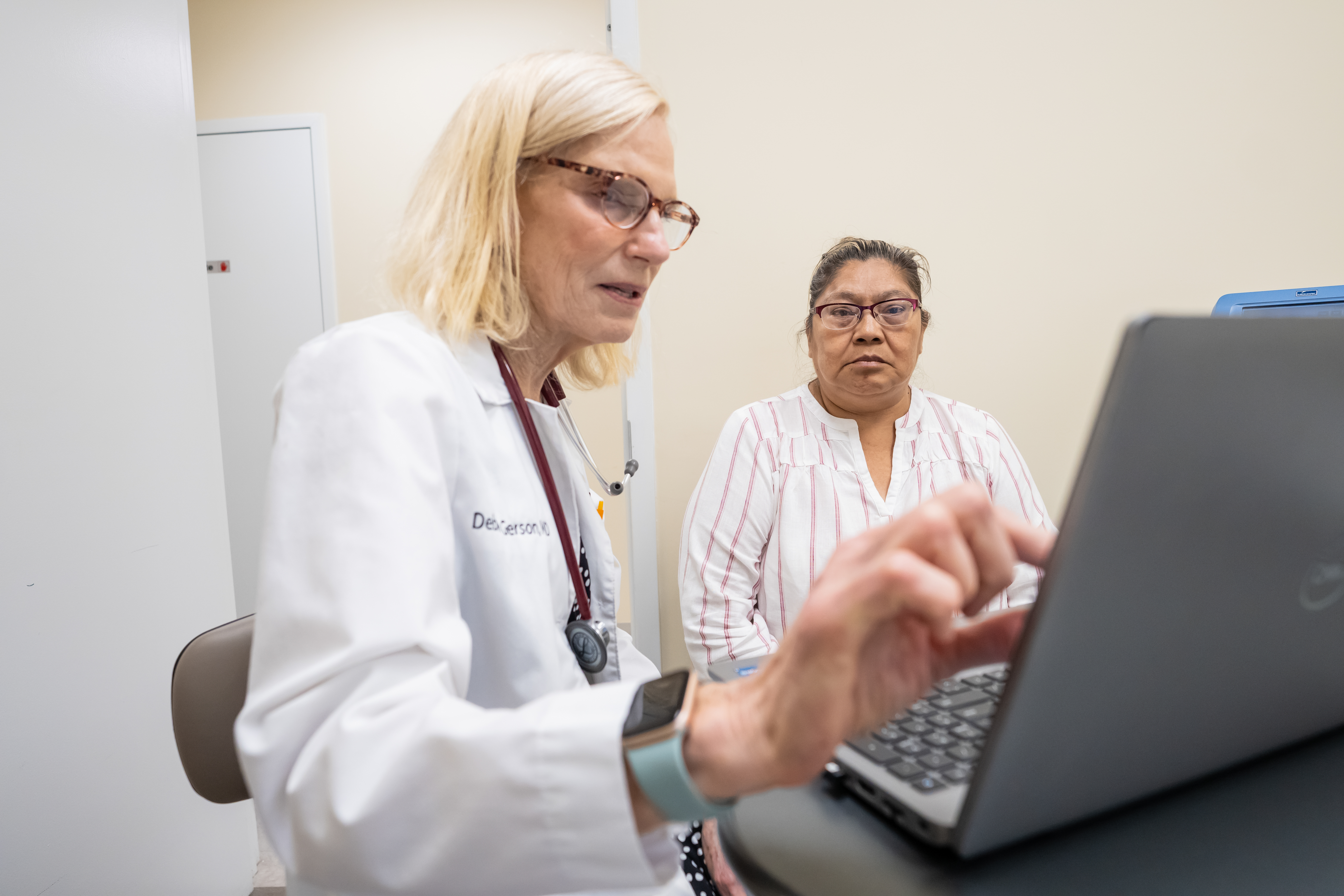
Lessons learned in Roadmap will help researchers and quality improvement leaders better support clinics in their journey to deliver high-quality equitable care.

Patients

Patients are at the core of Roadmap. We are capturing their experience using the Person-Centered Primary Care Measure to ensure their needs are being met.

A Data-Driven Solution
WHAT WE KNOW

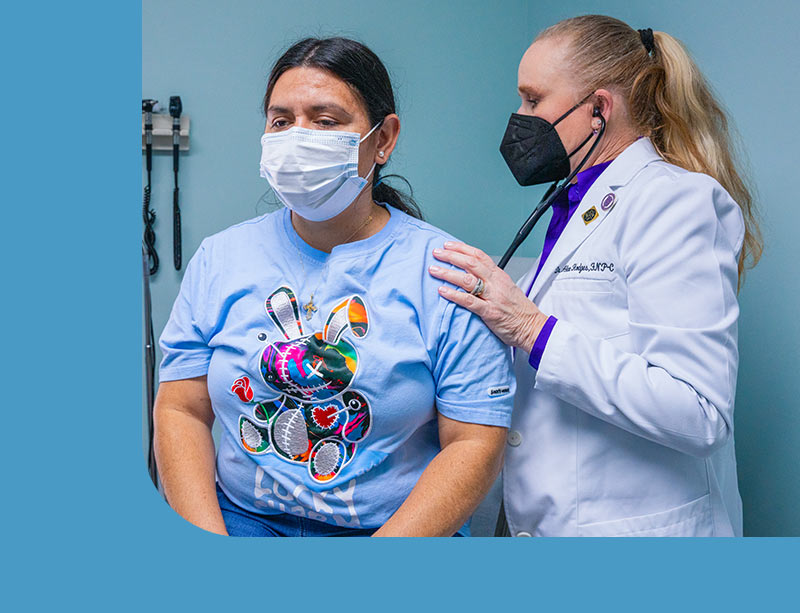
We know that free and charitable clinics provide high-quality care. We also know that inequities within healthcare do exist. We know that if you can’t measure the care that is being provided, you cannot improve it. Until Roadmap to Health Equity, there has never been a nationwide method of collecting data to measure the quality of care provided by free and charitable clinics.

OUR SOLUTION

We developed a national data repository to capture quality measures and stratify them by demographics to identify and address inequity. By facilitating internal and external benchmarking, Roadmap supports clinics as they break down barriers to equitable care and shift internal systems and workflows to support the delivery of quality care.

“ONE OF THE ISSUES WE AS FREE CLINICS HAVE HAD IS THAT WE ARE UNABLE TO BENCHMARK OURSELVES AGAINST OTHER CLINCS…ROADMAP IS IMPORTANT TO ME BECAUSE I BELIEVE IT’S IMPORTANT FOR FREE CLINICS TO COLLECTIVELY SHOW THE QUALITY CARE THAT WE ALL PROVIDE.”

Clinical Quality Measures


Blood Pressure Control – Required by all clinics
Hemoglobin A1C Poor Control – Priority measure
Screening for Depression and follow-up plan – Priority measure

Blood pressure screening and follow-up
Documentation of current medications in medical record
Hemoglobin A1c testing
Breast cancer screening
Hypertension: improvement in blood pressure
Influenza immunization
Tobacco use: screening and cessation intervention
BMI screening and follow-up plan
Cervical cancer screening
Colorectal cancer screening
Unhealthy alcohol use: screening and brief counseling
Avoidance of antibiotic treatment in adults with acute bronchitis
Surrounded by Support

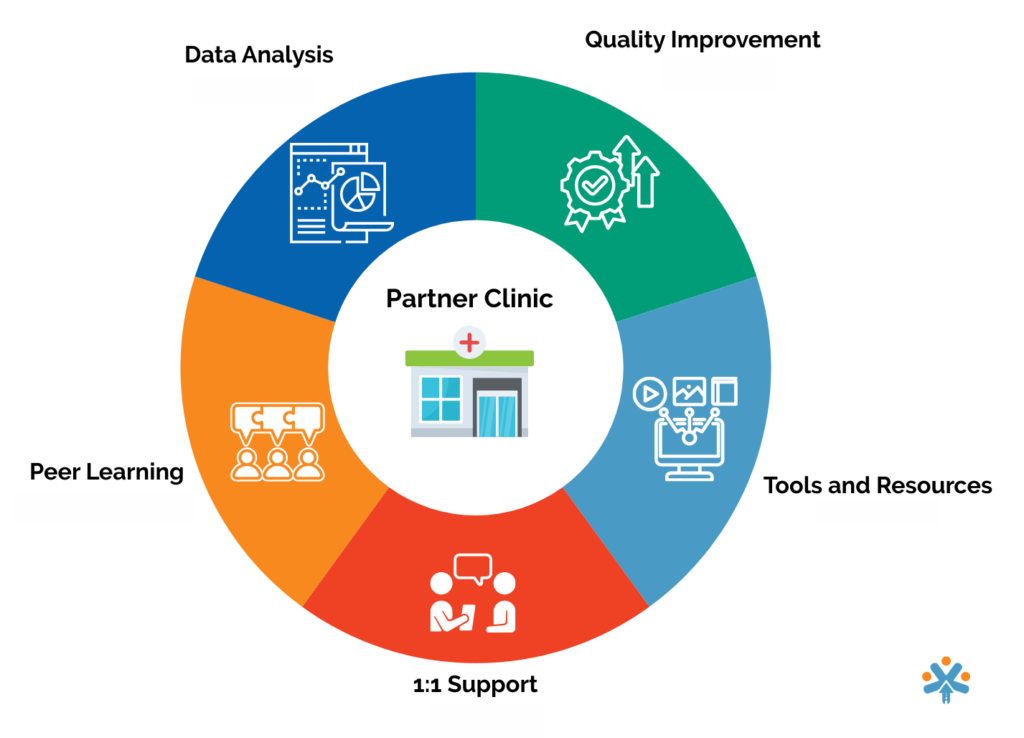
Roadmap partner clinics have access to a variety of live and on-demand educational tools as well as the opportunity to learn from their Roadmap peers across the country through ongoing quality improvement activities and peer learning webinars.

Featured Clinic

Crossover Healthcare Ministry

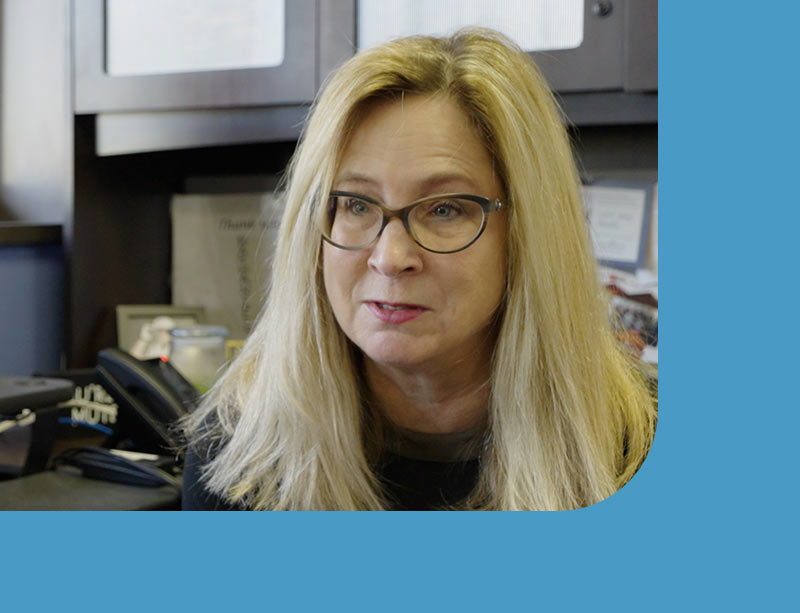
Meet Julie Bilodeau, CEO, Crossover Healthcare Ministry as she speaks about what the Roadmap project can achieve.
Frequently Asked Questions

Who can join Roadmap?

Roadmap is open to Free and Charitable Clinics in the U.S. At this time, clinics are being invited in phases but any interested clinic is encouraged to fill out the contact form. 

Is there a cost to participate?

At this time there is no cost to participate in Roadmap. Clinics may be asked to pay a nominal fee for the data repository in the future.

How does this help my clinic?

Data is the first step to understanding inequities within your patient population. Disaggregating by sociodemographic characteristics can help identify areas of care that may need improvement, or demonstrate where your clinic excels! Additionally, the data from Roadmap is crucial for quality improvement activities, to track progress in clinical goals and programming, and for reporting to donors and partners. Being able to show that you are providing quality care, often on par with or surpassing private clinics, is a great way to tell your story to donors.

What are the data requirements for Roadmap?

Roadmap clinics are required to submit data on at least three clinical quality measures along with patient sociodemographic information once a year. The three indicators include our one required indicator for blood pressure, as well as two of your choices from our 15 measures total. No PHI is collected and individual clinic data is only available to the submitting clinic.

When is the data submission for Roadmap?

Data is submitted annually from January 1st to March 15th, for the previous calendar year.

How much time does this take?

The time commitment for roadmap is variable, depending on the data processes of your clinic currently.  On average for those with EMR systems, the process takes 8-10 hours the first time. Each subsequent year is easier.  

Is there an EMR system requirement?

All EHR systems are welcome! The majority of Roadmap clinics use Athena, so we have some Athena specific resources available. There are plans to add guides for other EHRs in the future to make the data submission process as smooth as possible for everyone.  

Data isn’t my favorite thing, will I have help with the data submission?

Roadmap staff and fellow Roadmap members are always available for help, whether through group training calls, troubleshooting office hours, or even one-on-one consulting. Additionally, our website Clinic Resources page includes a library of resources to help with the data submission process. We offer technical guides, recorded webinars, and excel templates to help make the process as easy as possible for you and your staff.

Data is my favorite thing! What information will I be able to see?


Within the Roadmap data repository, VTOC, you have access to your own clinic reports as well as a benchmark report that compares your clinic to all the other clinics participating in Roadmap across the country – with filters to allow you to compare clinics of similar operating budget or size. Additionally, clinics have access to custom Excel templates that can be used to generate tables and graphs ready for donor reports or presentations.  These templates include applicable national benchmark data (Healthy People, UDS, and Medicaid HMO data).

Who is already participating in Roadmap?

Over 120 clinics in 27 states are submitting data to Roadmap.

How do I join?

Visit our “How to Join” page to access a brief informational video and schedule time to meet with our team.

CONNECT

Contact us to Learn more about Roadmap

"*" indicates required fields

This field is for validation purposes and should be left unchanged.